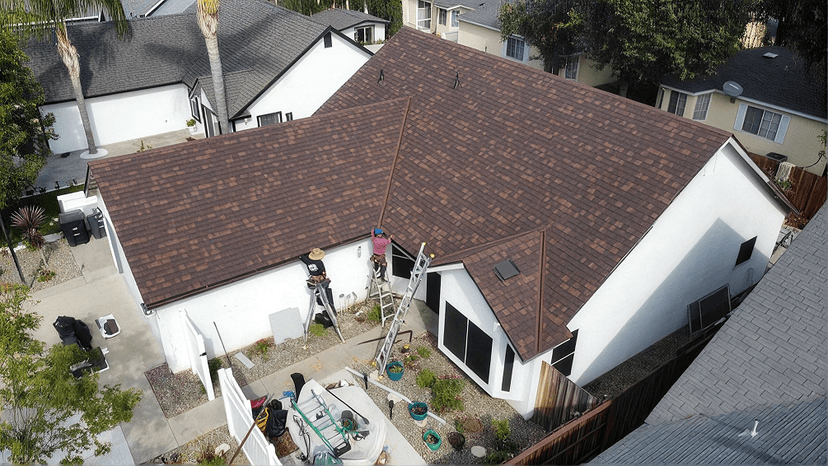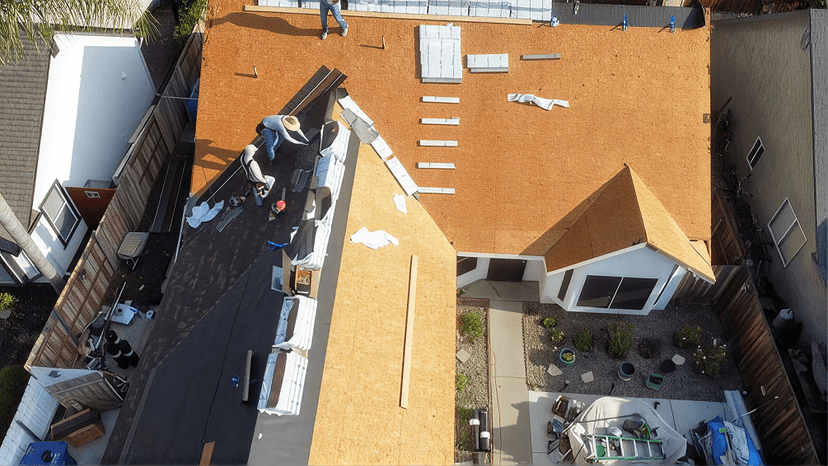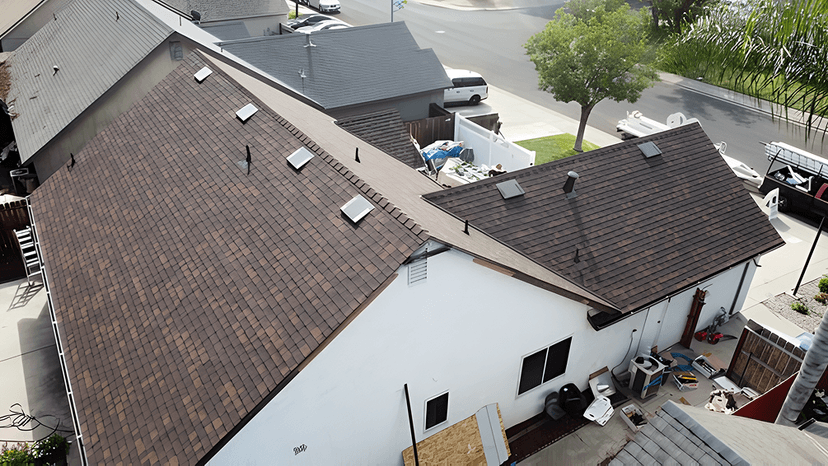
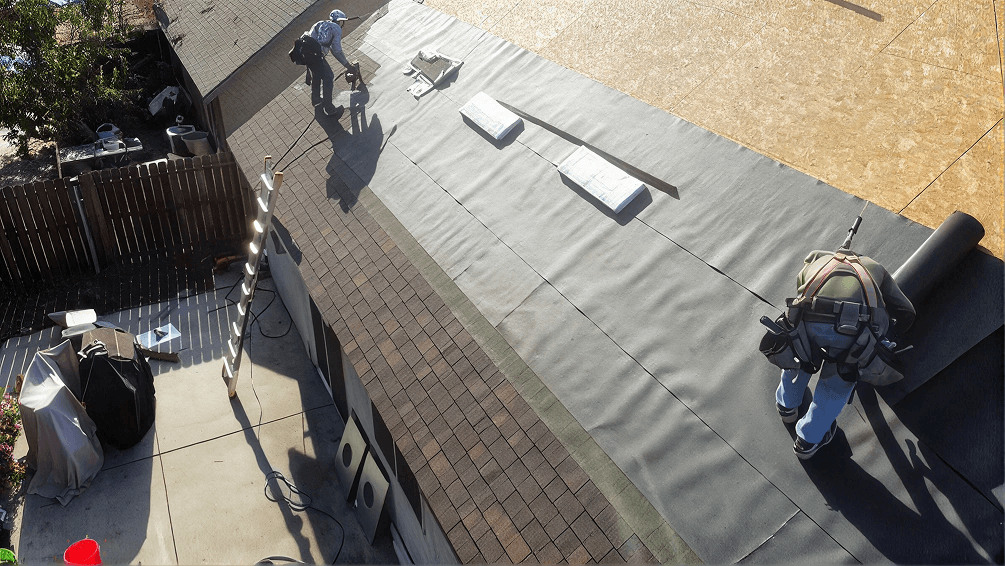
Here's a secret of the trade: shingles are not what keeps water out of your house. They're armor for the layers that do. When we tear off a roof, what we find underneath tells us far more about its health than anything visible from the street. Those layers are worth understanding before you sign any roofing quote.
The three layers doing the real work
- Decking. The plywood or planks everything else attaches to. It has to be dry and solid; soft or rotten decking means nails won't hold and the whole system fails early. This is why we check the deck on every tear-off and quote board replacement at a pre-agreed price.
- Underlayment. The water barrier over the deck. When wind lifts a shingle or a seam opens in the heat, underlayment is what actually stops the leak. Modern synthetic underlayment dramatically outperforms the old felt paper on most Valley roofs built before the 2010s.
- Flashing. The metal at chimneys, valleys, vents, and wall transitions. In our experience, the large majority of leaks start at flashing, not in the shingle field. New shingles over old flashing is a shortcut we don't take.
How the hidden layers fail in the Valley
Heat is the culprit again. Old felt underlayment gets brittle after years of 150° deck temperatures and cracks when the roof flexes. Flashing sealants dry out and split. And when winter fog and rain arrive, water works through those small failures quietly, sometimes for years, before a stain shows up on your ceiling.
When comparing roofing quotes, ask what underlayment is included and whether flashing is replaced or reused. A cheap quote that reuses tired flashing isn't cheaper, it just moves the cost a few years down the road.
What this means for your next roof
A roof is a system, and it's only as good as its weakest layer. That's why our quotes itemize the deck check, the underlayment spec, and the flashing plan, so you can see the whole system you're paying for, not just the color of the shingles on top.