The hardest part of a roof replacement isn't the work. It's the week you spend holding three quotes that describe three different jobs and trying to figure out whether the cheapest one is a bargain or a warning. Most of the time the difference is in what was left out, not in what was marked up. This is how we'd read them if they were for our own house.
Start with the scope, not the price
A real roofing quote describes a job in enough detail that a different crew could build it. Before you look at the number at the bottom, check whether these things are written down, and how specifically.
- Tear-off or layover. Removing the old roof down to the decking costs more than nailing new shingles over it. A quote that doesn't say which one it is has already hidden the biggest variable.
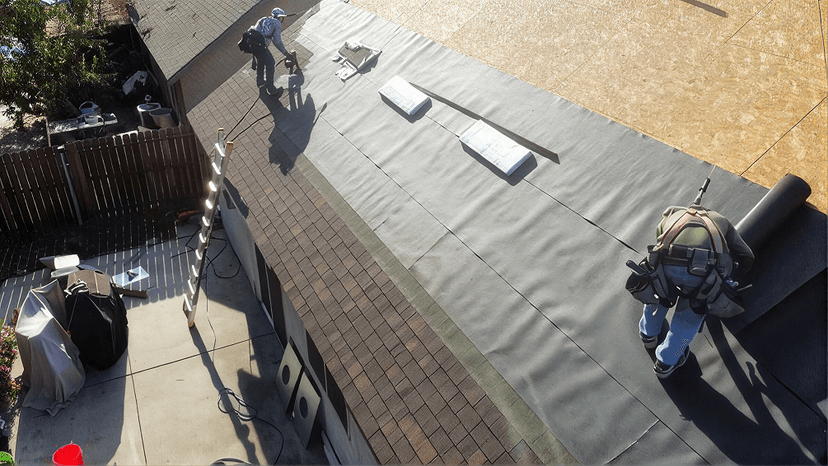
- Underlayment and ice-and-water membrane. Synthetic underlayment over the whole deck, plus self-adhering membrane in the valleys and around penetrations, is what keeps a roof dry when a shingle fails. Look for the product named, not just "felt."
- Flashing: new or reused. Chimney, wall, and pipe flashings are where most roofs leak. A quote that reuses the old ones is cheaper today and the reason you call someone back in three years.
- Ventilation. In Valley heat, attic ventilation decides how long the new shingles last. The quote should say what's being added, replaced, or left alone at the ridge and the eaves.
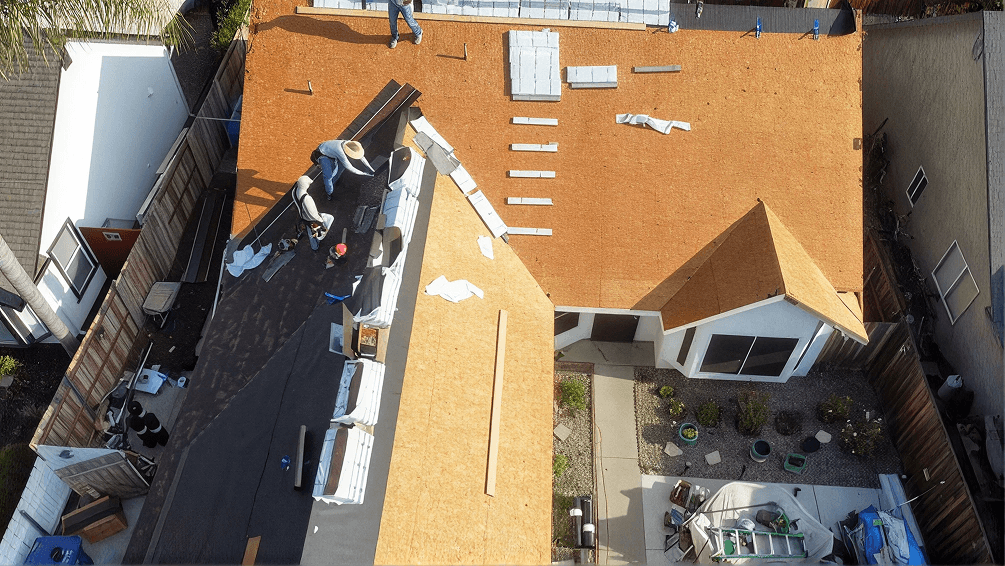
- Decking repair and how it's priced. Nobody knows how much plywood is rotten until the shingles come off. An honest quote gives you a per-sheet price for replacement up front so there's no negotiation on your driveway with the roof open.
- Cleanup, disposal, and protection. Dump fees, a magnet sweep for nails, and tarps over landscaping and AC units should all be in there. If they aren't, they're either free or they're coming later.
Why the prices don't match
Once you line the scopes up side by side, the price gap usually explains itself. One bid is a layover with reused flashing and standard felt. Another is a full tear-off with synthetic underlayment, new flashing, and added ridge venting. Those aren't two prices for the same roof; they're two different roofs. Rewrite the cheaper quote to match the fuller one and the numbers get a lot closer. If a bid is still far below the others after you've matched the scope, ask what the crew is being paid and whether the company is carrying insurance. Somebody is absorbing that difference.
Every California roofer is required to hold a Contractors State License Board license, and every quote and contract should show the number. Look it up at cslb.ca.gov before you sign anything: it shows whether the license is active, whether the bond is in place, and whether the company has workers' compensation coverage for its crew. Ours is on this page's footer.
The questions to ask any roofer
- Who is actually on my roof? Your own employees, or a subcontractor? Neither answer is wrong, but you should know who's responsible if something goes sideways.
- What does the workmanship warranty cover, and for how long? The shingle manufacturer covers the shingle. Only the installer covers the installation, and that's the part that fails. Get it in writing.
- What happens if you find rotten decking? You want a price per sheet, photos of every sheet replaced, and a call before the count climbs past what you agreed to.
- How is payment scheduled? California caps the deposit a contractor can take before starting work. A roofer asking for half the job up front is asking you to finance them.
What ours looks like
Every New-Gen quote starts with the free inspection and its photos, so you can see the problem we're pricing. Then the scope, line by line, in the order the work happens: tear-off, decking, underlayment, flashing, shingles, ventilation, cleanup. Products by name. A per-sheet decking price. The warranty terms spelled out. And a price that's good for the season, not for the next 24 hours. If you get a quote from someone else and want a second set of eyes on it, send it over; we'll tell you what we see, even when the answer is that it's a fair deal.