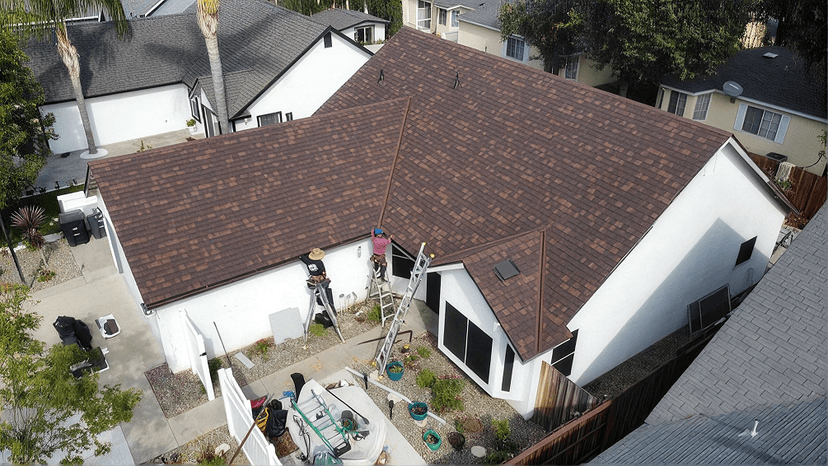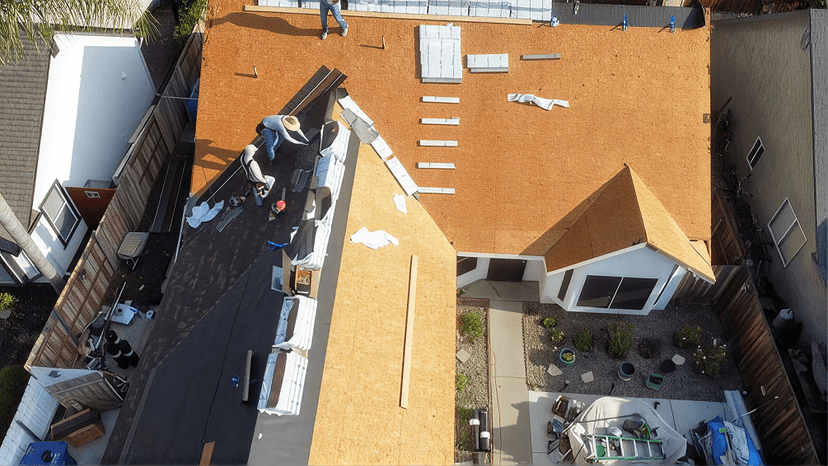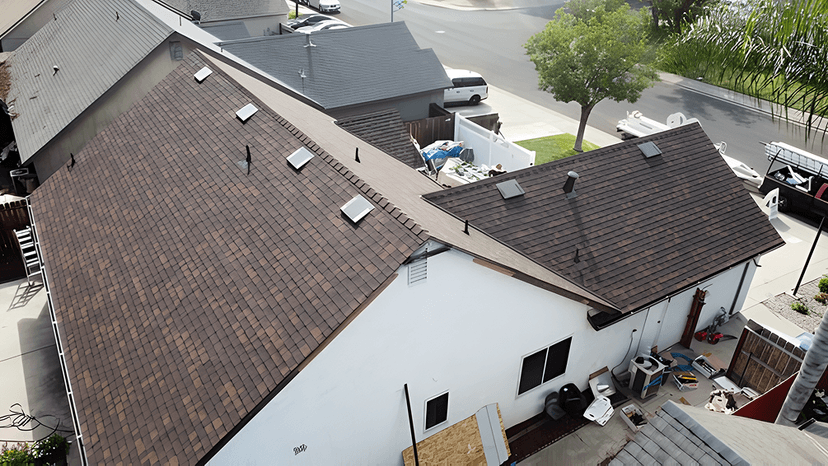
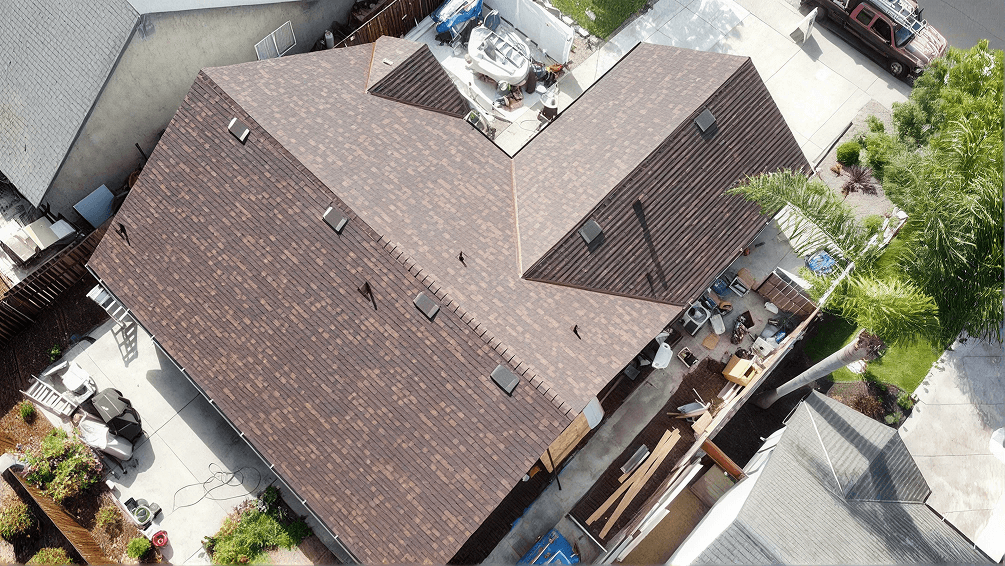
The question behind almost every call we get is the same: can this be fixed, or is it time for a new roof? Plenty of companies answer with whatever pays them most. Our answer comes from a checklist, and we'll walk you through it photo by photo on your own roof. Here it is in plain English.
When a repair is the right call
Repair wins when the damage is local and the roof around it is healthy. One leak at a vent boot, a run of wind-lifted shingles on one plane, cracked flashing at the chimney: these are surgical fixes on a roof with years left. If your roof is under 15 years old and the field shingles are still flexible with their granules intact, we start from the assumption that a repair will do.
When replacement is the honest answer
- The damage is systemic. Leaks in multiple spots, widespread curling, or granule loss across whole planes mean the material itself is done, and each repair just moves the leak.
- The decking is compromised. Soft spots underfoot or rot visible in the attic mean problems under every shingle, not just the leaky one.
- The math tips. When a few years of accumulating repair bills approach a meaningful share of replacement cost on an aging roof, you're paying twice. We'll show you that math side by side.
One problem on a young roof: repair it. Recurring problems on a roof past year 18 in Valley sun: get replacement numbers before sinking more money into fixes, even if you don't act on them this year.
The middle ground people forget
There's a third option between a patch and a full tear-off: strategic repairs plus maintenance to buy a planned few years. Fix the active leak, clean the roof, reseal the flashing, and schedule the replacement for a season and budget that suit you, instead of an emergency in January. We quote that path too, whenever it's viable.
Whichever way your roof leans, the inspection that answers the question is free, comes with photos of everything, and ends with a recommendation we'd give our own family. That's the whole process.